
Physical Health Benefits
- Exercise and Mobility: Gardening involves a range of physical activities, such as digging, planting, weeding, and watering, which help improve strength, flexibility, and endurance.
- Fine Motor Skills: Tasks like planting seeds and handling small tools can enhance fine motor skills and hand-eye coordination.
- Cardiovascular Health: Regular gardening activities can provide moderate cardiovascular exercise, improving heart health and reducing the risk of heart disease.
- Exposure to Vitamin D: Time spent outdoors in the garden increases exposure to sunlight, which helps the body produce vitamin D, essential for bone health and immune function.
Mental and Cognitive Benefits
- Cognitive Stimulation: Gardening involves planning, problem-solving, and learning about different plants and gardening techniques, which can stimulate cognitive function and potentially delay cognitive decline.
- Memory Enhancement: Engaging in gardening activities can help improve memory and cognitive skills, beneficial for seniors with dementia or Alzheimer’s disease.
- Mindfulness and Focus: The repetitive and focused nature of gardening tasks promotes mindfulness, helping seniors stay present and engaged.
Emotional and Psychological Benefits
- Stress Reduction: Gardening is known to reduce stress and anxiety by providing a calming and meditative environment.
- Sense of Accomplishment: Watching plants grow and thrive gives seniors a sense of achievement and purpose, boosting self-esteem and confidence.
- Mood Improvement: Being in nature and tending to plants can elevate mood and alleviate symptoms of depression.
Social Benefits
- Community Engagement: Community gardens or group gardening projects offer opportunities for social interaction, reducing feelings of isolation and loneliness.
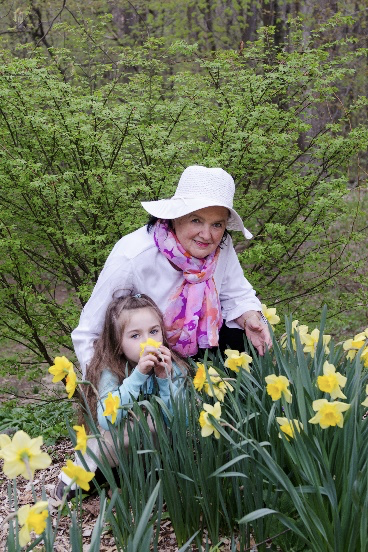
- Strengthening Relationships: Gardening with family members or friends can strengthen bonds and improve relationships through shared activities.
Nutritional Benefits
- Healthy Eating: Growing their own fruits and vegetables encourages seniors to consume more fresh produce, improving their diet and overall nutrition.
- Understanding Food Sources: Gardening fosters a better understanding of where food comes from and promotes healthier eating habits.
Therapeutic and Healing Effects
- Horticultural Therapy: Gardening is often used as a therapeutic tool in horticultural therapy, which can help seniors recover from illness or injury and manage chronic conditions.
- Emotional Healing: Engaging with nature and nurturing plants can be a soothing and healing experience, helping seniors process grief, loss, or trauma.
Environmental Awareness and Stewardship
- Connection to Nature: Gardening fosters a deeper connection to the natural world and a sense of responsibility for environmental stewardship.
- Sustainability Practices: Seniors who garden often learn and apply sustainable practices, such as composting and water conservation, contributing to a healthier planet.
To put it concisely, gardening is a multifaceted activity that provides significant physical, mental, emotional, and social benefits for seniors. It promotes overall well-being, enhances quality of life, and offers a fulfilling and enjoyable way to stay active and engaged.