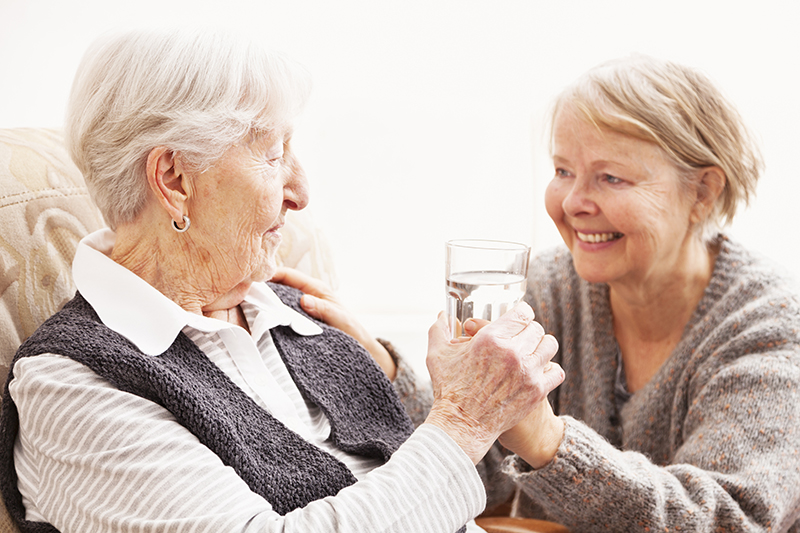
The number one skin complaint among older adults is dry skin in seniors. As we age, our skin produces less natural oil, leading to flakiness, irritation, and discomfort. Dry skin can affect daily comfort, but with the right lotions and prevention strategies, seniors can maintain healthier, softer skin.
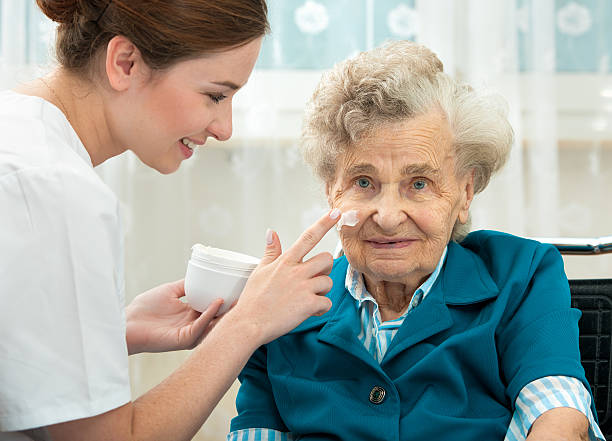
Why Dry Skin Is Common in Seniors
- Natural changes – Skin thins with age and retains less moisture.
- Medications – Some prescriptions increase dryness as a side effect.
- Climate factors – Cold weather, low humidity, and hot showers strip natural oils.
- Reduced hydration – Seniors may drink less water, worsening dryness.
Understanding these causes helps families take steps to prevent discomfort before it becomes a bigger issue.
Best Lotions for Dry Skin in Seniors
When choosing a moisturizer, look for:
- Fragrance-free formulas to avoid irritation
- Creams or ointments (thicker than lotions) for longer-lasting hydration
- Ingredients like ceramides, glycerin, or hyaluronic acid to lock in moisture
Apply lotion after bathing, when skin is still slightly damp, to seal in hydration. Keeping a bottle near the sink or bedside makes it easy to use regularly.
Prevention Tips for Dry Skin in Seniors
- Short, lukewarm showers instead of hot baths
- Use gentle, non-soap cleansers
- Run a humidifier indoors during dry seasons
- Stay hydrated with water, soups, or herbal teas
- Wear soft fabrics like cotton instead of rough or itchy materials
These small changes can make a big difference in comfort and skin health.
Supporting Skin Health at Home
Family caregivers can help by checking for dry patches, encouraging regular moisturizing, and setting up a skincare routine. Professional caregivers can also assist with daily hygiene, ensuring seniors stay comfortable and confident.
Healthy skin is part of overall wellness. If your loved one needs extra support with daily routines, contact us today. Our referral team connects families with trusted caregivers who prioritize safety, comfort, and dignity.